Part 1
Where to Look
Hint: it's not in hunting groups.
Here’s the thing most hunters get wrong straight away: they go looking for land access in bowhunting Facebook pages, online forums, ABA chat groups. And yeah, you might get lucky — but mostly you’re competing with hundreds of other blokes who all want the same thing.
The landowners aren’t in those groups. They’re in their local community noticeboards, posting about their farm, their town, their pest problems. That’s where you need to be.
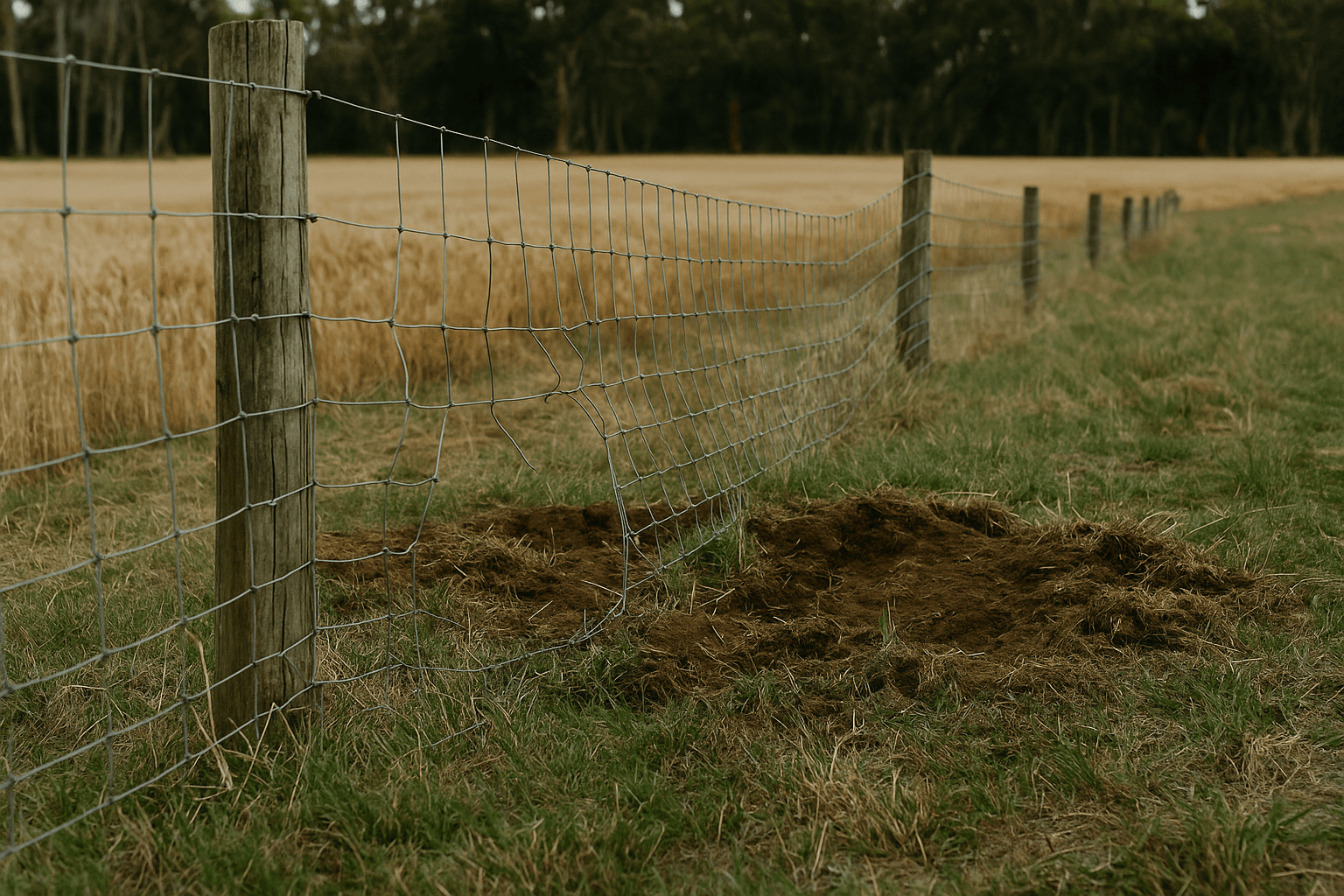
Join the local Facebook groups for farming regions within about three hours of Perth. These are the ones where farmers actually talk — about fencing, livestock, weather, and the ferals tearing up their paddocks. When someone posts about pigs rooting up their dam or foxes taking lambs, that’s your opening.
Target Regions (within ~3 hours of Perth)
Perth Hills & Avon Valley
Mundaring · Toodyay · Northam
Pigs are the main game — Toodyay Shire alone pulled hundreds between 2021 and 2023. Foxes and rabbits across the farming flats. Small numbers of feral deer pop up in the hills but they’re patchy.
Peel & Darling Scarp South
Serpentine-Jarrahdale · Pinjarra · Waroona
Jarrah forests with solid pig populations raiding adjacent farms. Fallow and rusa deer confirmed through the Harvey belt. Foxes and rabbits on the farmland edges. Some landowners here are desperate for help.
South West Forest & Blackwood Valley
The MotherlodeHarvey · Collie · Donnybrook · Bridgetown · Nannup
This is where it’s at. Feral pig population in the tens of thousands across the jarrah and karri forests. Multiple breeding populations of fallow and red deer from Harvey through Manjimup. Collie Shire is 80% state forest, Nannup about 85%. If you’re serious about pigs and deer, this is your region.
Central & Eastern Wheatbelt
York · Narrogin · Merredin
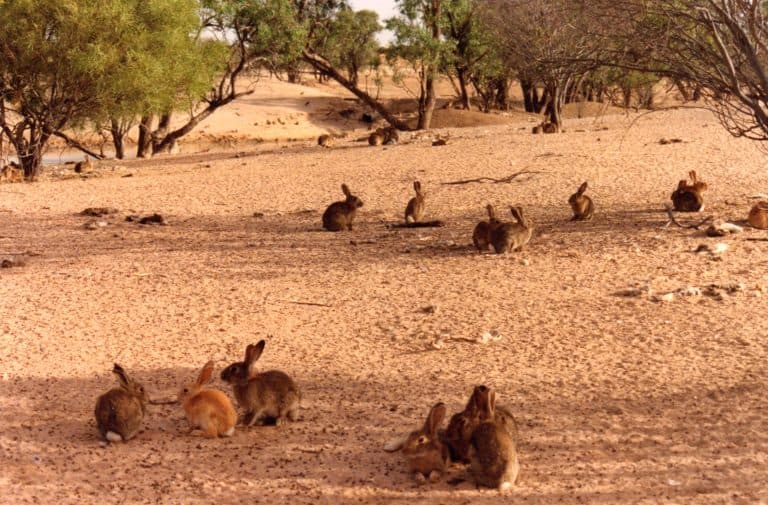
Rabbits and foxes country. Every farm deals with them. Community fox shoots are a way of life out here. Not much in the way of pigs or deer in the open country, but plenty of work on the smaller ferals.
Northern Ag Fringe
Gingin · Dandaragan · Moora
Rabbits and foxes on the broadacre farms. Localised pockets of pigs near watercourses and swampy coastal flats. The odd deer might wander through near Gingin but don’t count on it.
Facebook Groups to Join
Community noticeboards, not hunting groups. That’s the point — go where the landowners already are.
Also look for town-specific noticeboards (Nannup, Collie, Manjimup, etc.) and regional buy/sell groups on Marketplace. Every small town has one.
Part 2
First Contact
The DM that opens the door. Keep it short, keep it real.
Right, so you’ve found someone in a community group posting about pigs in their paddock or foxes taking lambs. Now what?
The approach that works is dead simple: casual, helpful, zero pressure. You’re offering free pest control. That’s it. You’re not asking for anything — you’re offering to help with a problem they already have.
Example message
“Hey mate, cheers for the post — sounds like you’ve got a few ferals causing grief out there. I’m a local bowhunter and I’ve been helping landowners with free pest control on a few blocks around [region]. Happy to have a chat about it if you’re interested — totally low-key, you set the rules and I make sure they’re followed.”
That’s it. Short, warm, no pressure. You’re being a normal human offering help.
If they bite, mention the extras — you’re happy to check fences, report pest activity, flag anything odd while you’re out there. Landowners love the “extra set of eyes” angle. It costs you nothing and shifts the whole thing from “this person wants something from me” to “this person is genuinely useful.”
No response? One gentle nudge after a week. Something like:
Example message
“Hey mate, just wanted to quickly check in — no rush at all. Just wondering if you’re still interested in having a chat about the free pest control. Totally understand if you’re busy or not keen, just let me know either way. Cheers!”
If still nothing, move on. There are plenty of landowners. Don’t chase people who aren’t keen.
Part 3
The Phone Call
The DM gets their attention. The phone call builds trust.
Most landowners want to hear a voice before they commit to anything, and fair enough — they’re letting a stranger onto their property with a weapon. The phone call is where you go from “random bloke on the internet” to “someone I’d be happy to have out here.”
How to run it
Quick intro
"Hey [name], it's [you] — just calling off the back of your message. Got a minute?" Keep it casual. You're a person, not a call centre.
Property basics
"Just to get a sense of what we're working with — is it around the 100-acre mark or bigger?" What's the layout — bush, pasture, crops, a mix? Let them paint the picture.
Pest pressure
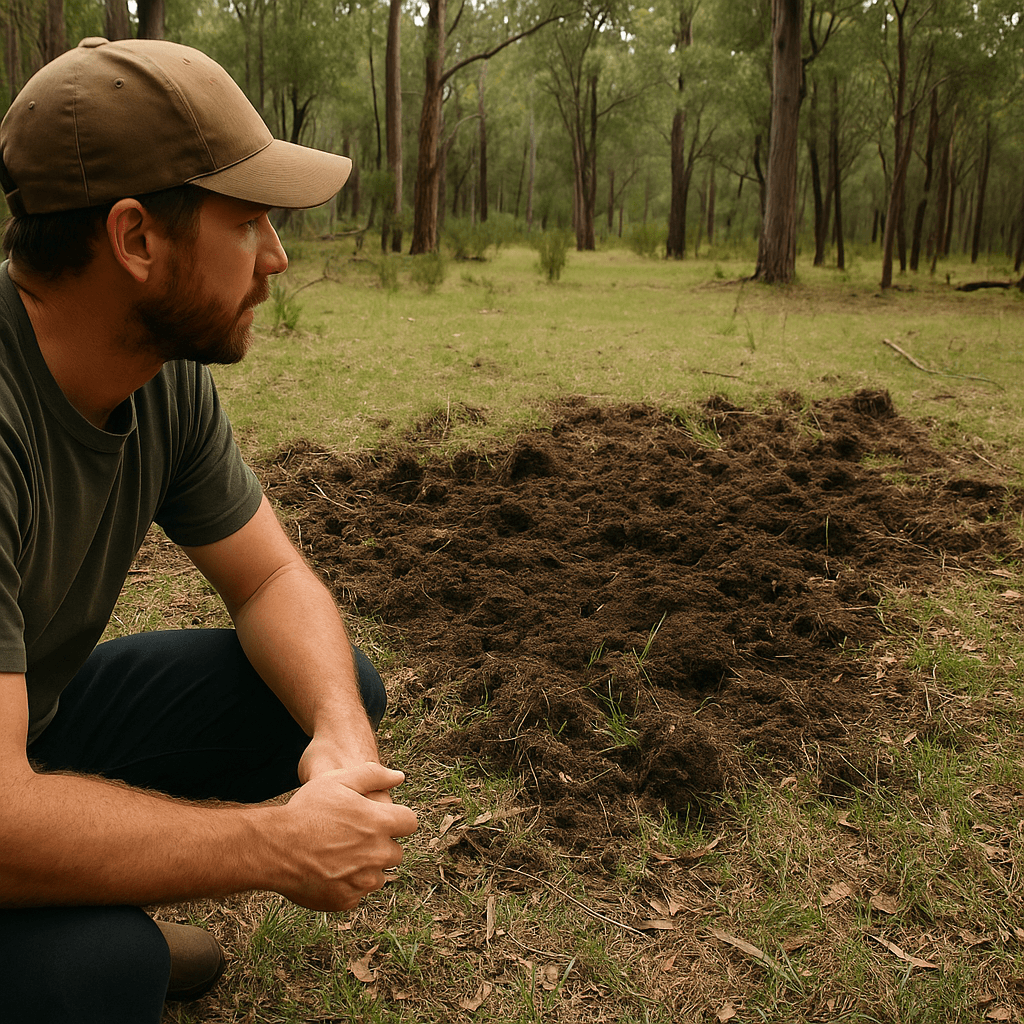
What pests are they mainly dealing with? Fresh signs? "Like wallows, diggings, chewed fence lines, that sort of thing?" This is where they start venting — let them.
What they've tried before
Shooting, baiting, trapping, letting others come in? Any bad experiences? "Just so I can make sure we're on the same page with the way we operate."
Access conditions
Camping OK or day trips only? Any no-go zones? Stock zones, locked gates, crop edges? Get the lay of the land.
Close it naturally
"That gives me a really clear picture — sounds like it could be a great fit. The way we run it is fully managed and low-fuss. I handle all contact, nobody just drops in, and we've got a strict vetting and rule system in place. If it's feeling like a maybe for you, I'll flick through the info pack and you can take a look in your own time."
Part 4
On the Property
This is where access gets kept — or lost. Non-negotiables.
One bloke leaves a gate open, cattle get out, and suddenly the landowner doesn’t want anyone on their place ever again. You’re not just representing yourself out there — you’re representing every bowhunter who comes after you.
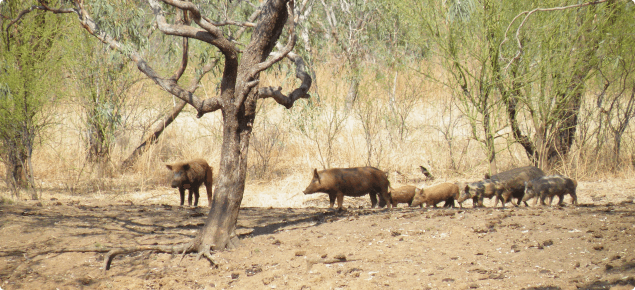
Feral pigs at a waterhole — the kind of damage that gets landowners calling for help.
Part 5
Building Trust
Getting access is step one. Keeping it is what actually matters.
The farmers who kept inviting us back, who started calling us when they had new pest problems — it was always because of the small things. Not the hunting. The stuff around the hunting.
Report back after every hunt
What you saw, what you took, any pest activity worth noting. Even a quick text — “Saw fresh pig sign near the south dam, took two foxes near the tree line” — goes a long way. Landowners want to know it’s working.
Do the little things
Check fence lines. Report damage. Scare roos off crops. Note if water troughs are dry. These cost you nothing and mean everything to a farmer who’s stretched thin. You become more than a hunter — you become an extra set of eyes on their place.
Bring something
A bag of mandarins. A slab. A jar of honey. Doesn’t have to be fancy — it’s the thought. Country people remember this stuff.
Remember personal stuff
Their dog’s name. Their kid’s school. What they’re growing this season. Be a human, not a service provider. People give access to people they like, and they keep giving it to people they trust.
Be low-maintenance
Don’t call every week. Don’t ask for more than they’ve offered. Don’t push for access to the neighbour’s place. Let it come naturally. If you do a good job, they’ll often offer to introduce you to neighbouring properties themselves.
Respect the secret spots
If a landowner gives you access to a deer property, don’t post it on Facebook. Don’t tell your mates the exact location. Protect the access like it’s yours — because it is, and it took work to earn.
Part 6
Insurance & Legalities
Quick rundown on the legal side. Not legal advice — just what we've learned.
If in doubt about anything legal, check with DBCA (Dept of Biodiversity, Conservation and Attractions) or your local shire.
That’s the playbook.
None of this is complicated. It’s just about being a decent human, being useful, and treating other people’s land like you’d want yours treated. Most landowners don’t expect anything in return. They’ve got a pest problem, you’ve got a bow, and if you approach it right, everyone wins.
If this was useful, come join the crew. We’re just a bunch of blokes helping each other find places to hunt. No gatekeeping, no ego — just sharing what works.