If you’re serious about bowhunting in Western Australia, the South West is where it all happens. Harvey, Collie, Donnybrook, Bridgetown, Nannup, Manjimup, Pemberton — this corridor is the beating heart of feral pest control in the state. Collie Shire is roughly 80% state forest. Nannup is closer to 85%. The bush here is thick, the pigs are in the tens of thousands, and the beef farmers who work this country are some of the keenest people you’ll ever meet when it comes to getting help.
The landscape is jarrah and karri forest, cleared beef paddocks, creek systems, river valleys and rolling hills. Properties range from modest hundred-acre blocks to massive cattle stations spanning thousands of hectares. Almost every single one of them has a feral pest problem. Most of them have tried baiting, trapping, even aerial culls — and the pigs just keep coming back from the forest. That’s where we fit in. Quiet, persistent, ongoing control that doesn’t cost the farmer a cent.
What’s Out Here?
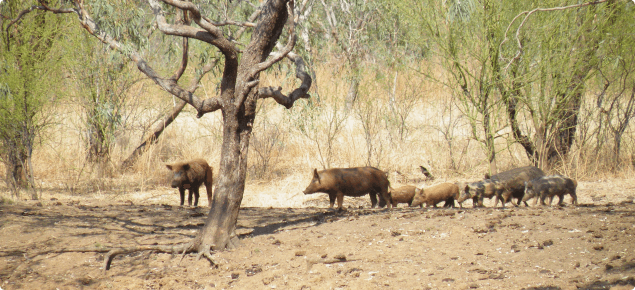
Feral Pigs
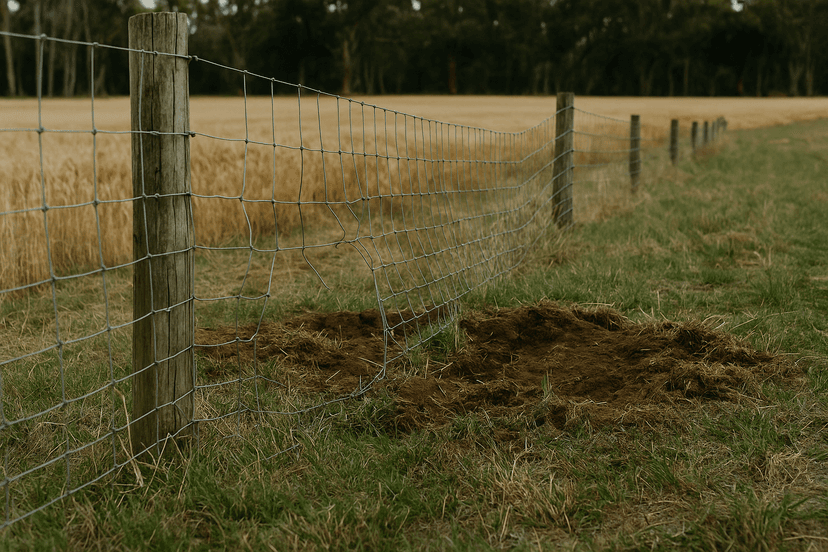
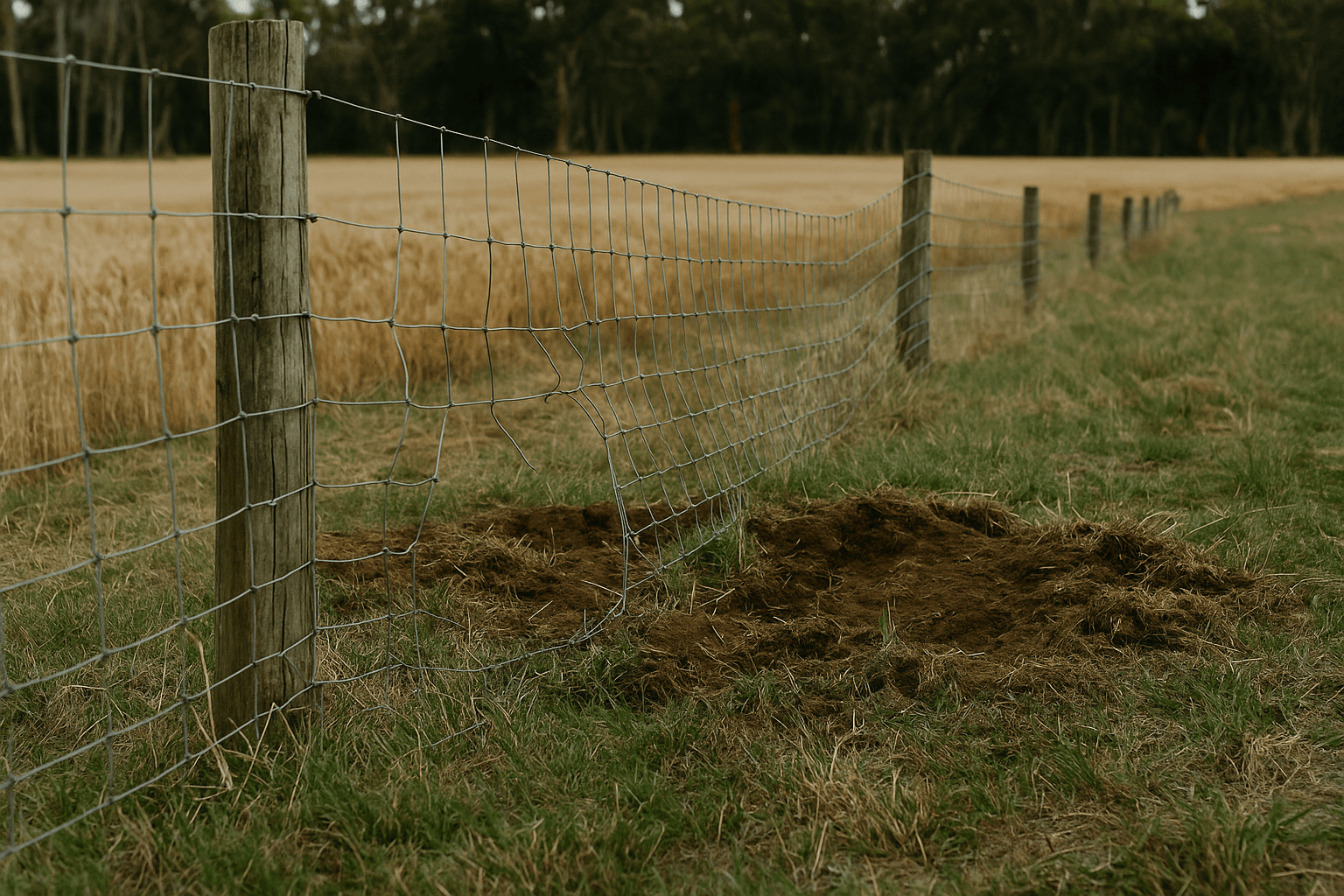
Primary TargetFeral pigs are the main event. Population estimates put them in the tens of thousands across the South West forests. They breed in the jarrah and karri, come out at night to feed on pasture, root up dams, destroy fences, and contaminate water. The pig damage page covers the full scale of destruction. Every beef farmer in this corridor has pig stories. Many have tried everything else and are keen for bowhunters who’ll actually keep coming back.
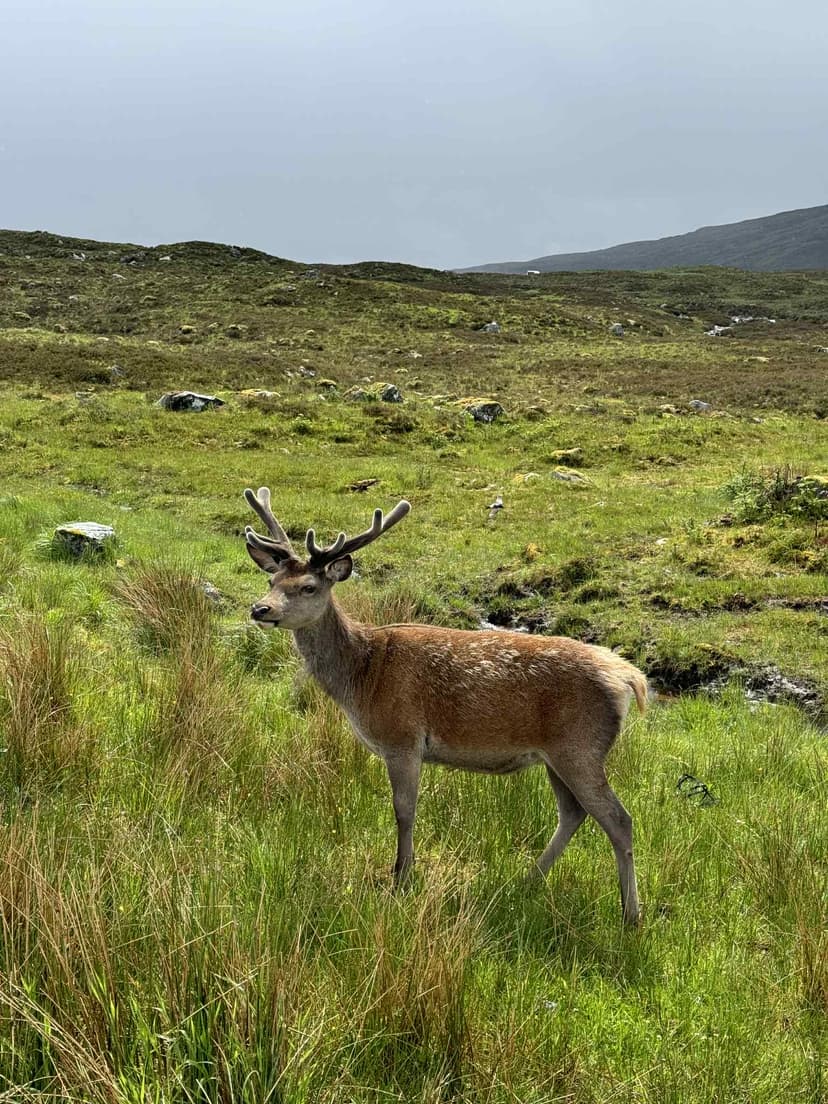
Feral Deer
Growing ProblemMultiple breeding populations of feral deer — mainly fallow and red — run from Harvey through Collie, Nannup and into Manjimup. They’re declared pests in WA, meaning landowners are obligated to manage them. Deer damage fences, ring-bark trees and compete directly with cattle for feed. Deer access in this region is the holy grail for most WA bowhunters. If you earn it, protect it fiercely.
Foxes, Rabbits & Others
Foxes are present across the farming country, especially during lambing. Rabbits pop up on the cleared land. Feral cats are a real issue in the forest fringe for native wildlife. Even if pigs and deer are your primary targets, offering to deal with the smaller pests too shows landowners you’re there for them, not just for the trophy species.
Finding Properties
The South West has the most opportunities for land access anywhere in WA, and the method is the same as everywhere else — go where the farmers are. Harvey Notice Board, Bridgetown Community, Nannup Community, Collie Buy/Sell, Manjimup & Districts, Southwest Farming & Livestock. These Facebook groups are full of people posting about pig damage. Read the full landowner access guide for the approach.
Farm supply stores in the South West towns are goldmines for intel. Walk in, buy something, have a yarn. Ask about pig activity. The bloke selling fencing wire has heard every complaint going. Local pubs on a Friday arvo work the same way. Be a normal human, offer help, don’t be pushy. Country people can smell desperation a mile off.
Quite a few women in the WA bowhunting community got their start in the South West — the properties are big enough for comfortable camps, the hunts are serious, and the farming families tend to be welcoming to anyone who’s competent and respectful. Couples who hunt together often find that landowner trust builds twice as fast. The women in bowhunting page has more on this.
Word of mouth is massive down here. Do a good job on one property, and the farmer will often introduce you to three of his neighbours. That’s how networks grow. One solid relationship in Nannup can turn into access across half a dozen properties within a year.
What Landowners Need
Beef farmers in the South West have been dealing with pigs for years. They’ve seen the lot — shooters who left gates open, blokes who said they’d come back and never did, crews who treated the place like a playground. What they want is simple: someone reliable, someone quiet, someone who follows the rules and reports back. That’s the bar. Clear it, and you’ll have access for as long as you want it.
Your ABA membership and public liability insurance matter here. These are working cattle properties — the farmer needs to know they’re covered. Mention it in your first conversation. Show your card if they ask. It’s the difference between “yeah, maybe” and “when can you start?”
What to expect when working with South West landowners: bigger properties mean more freedom but also more responsibility. Gate protocols are serious — cattle get out and it’s a disaster. Stick to approved areas. Report every trip. Be the bloke they brag about at the pub, not the one they warn others about. The land access guide covers trust-building in detail.
Tips for the South West
Terrain & Landscape
Dense jarrah and karri forest dominates the hills and ridges, with cleared beef pasture in the valleys and river flats. The Blackwood River system and its tributaries create natural corridors that pigs and deer use to move through the country. Terrain is steep in places — you’ll climb ridges, drop into gullies, push through thick undergrowth. This isn’t gentle country. Fitness matters, and so does your ability to navigate without trails.
The farming country is typically rolling green pasture with scattered bush blocks, creek lines and dams. This is where you’ll set up for evening pig ambushes or morning deer stalks. It’s genuinely beautiful country — some of the best in the state. Treat it with respect and you’ll keep coming back for years.
For a broader view of neighbouring areas, check the Peel region to the north and the Darling Scarp corridor that connects them. If foxes and rabbits are more your thing, the Wheatbelt and Great Southern have plenty of that. But if you want pigs and deer — start here. This is the one.