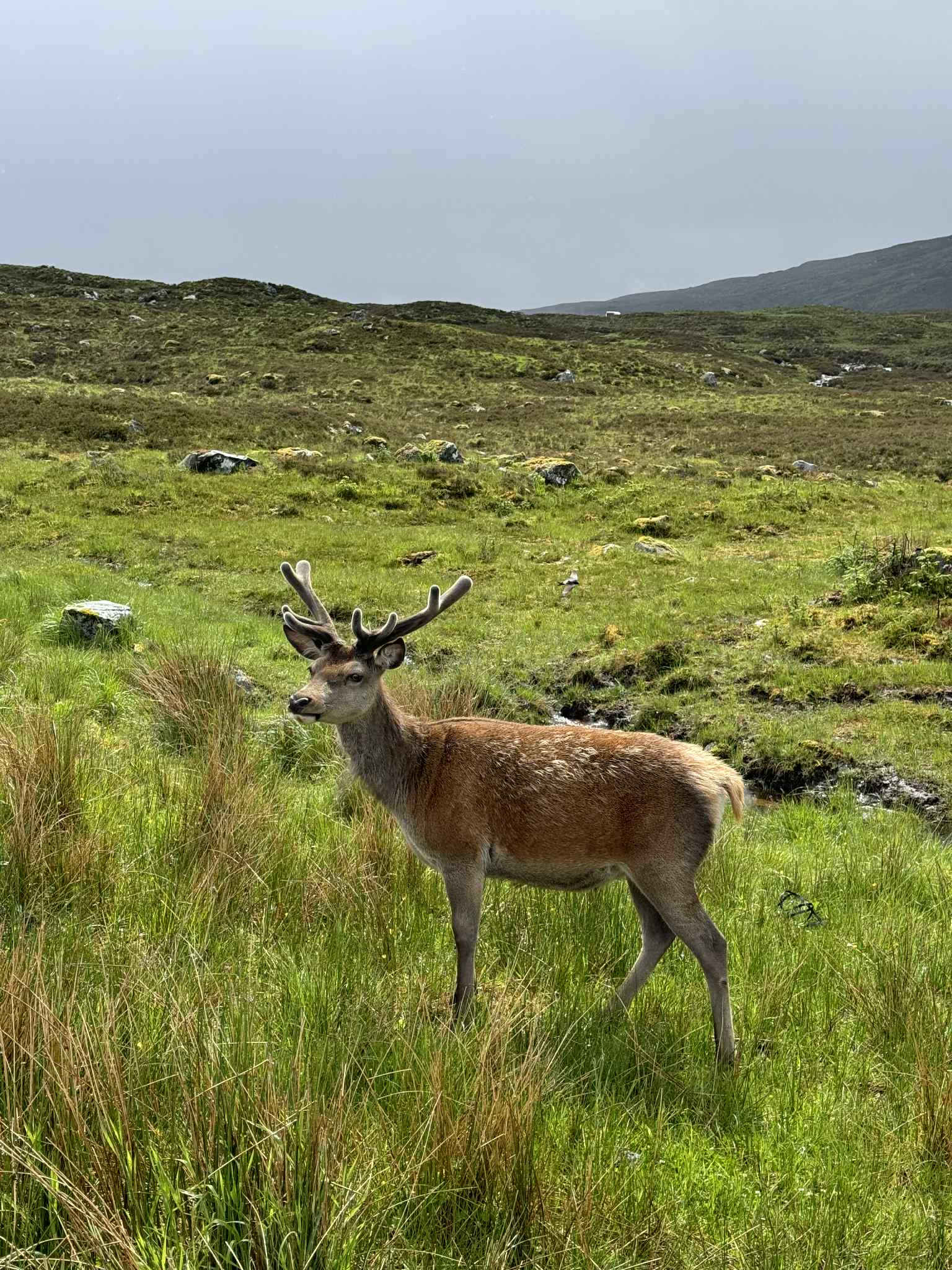
Fallow, rusa, and red deer are all declared pests under WA law. Numbers are climbing every year, and landowners across the south-west need help managing them.
Here’s the thing most people outside WA don’t realise: all feral deer in Western Australia are declared pests under the Biosecurity and Agriculture Management Act 2007. That means fallow deer, rusa deer, and red deer. No hunting licence needed for the bow — but you do need landowner permission and you should be across the legal framework before you head out.
Landowners have a legal obligation to manage declared pests on their property. That puts bowhunters in a strong position — you’re not asking for a favour, you’re offering a genuine service. And it’s free. That’s a pretty easy conversation to have at the farm gate.
The main populations run through the south-west forest corridor — from Collie down through the Blackwood Valley to Nannup and across to Pemberton. Fallow deer are the most common species you’ll encounter. They’re well established in the jarrah-marri forest and adjacent farmland on both sides of the scarp.
The Peel region has a growing population too. Deer have been sighted regularly between Waroona and Harvey, and there are reports further north along the Darling Scarp. Rusa and red deer exist in smaller pockets, but fallow are the ones you’ll most likely glass from a ridge line at dusk.
Deer are creatures of habit. Find the feeding areas — typically where forest meets open pasture — and you’ll find well-worn trails. Early mornings and last light are your best windows. A good set of binos and patience will tell you more than a week of walking.
Deer browse on native seedlings and pasture alike. They ring-bark young trees, trash revegetation projects that took years to establish, and compete directly with livestock for feed. A mob of 30 fallow deer going through a paddock at night will eat as much as a small herd of cattle.
Vehicle collisions are a real safety issue too. Deer on the road between Collie and Donnybrook at dusk is no joke — a fallow buck weighs 80-odd kilos and they’ll go straight through a windscreen. Farmers in the area know multiple people who’ve had close calls.
Then there’s the fence damage. Deer go through or over fences that would stop cattle. Replacing a kilometre of fencing isn’t cheap, and when deer keep breaching the same spot the costs stack up. For landowners dealing with this, a bowhunter who turns up regularly and knocks a few over makes a real difference.
Deer are a step up from pigs in terms of difficulty. They’re alert, they’re fast, and fallow deer in particular have eyesight that’ll humble you. Stalking through jarrah forest on dry leaves in summer is an education in patience.
Most successful bowhunters in WA use a combination of spot-and-stalk and ambush hunting. Find a trail between bedding areas and feeding paddocks, set up a ground blind or treestand 15-20 metres off the trail, and wait. Deer are predictable if you do the homework. Trail cameras are your best mate here.
Shot placement is critical. Broadside, tight behind the front shoulder, aiming for the heart-lung pocket. Deer don’t have a pig’s shield, but they’re lean and fast — a marginal hit means a long, difficult track job. If you’re not confident at the distance, don’t draw. That’s the ethical standard we hold ourselves to.
A few of the best deer hunters in our crew are women who put in the hours on patience and fieldcraft. This game rewards the quiet and disciplined — not the loud or reckless.
The field guide covers the general approach to land access, but deer properties have a specific angle. Because deer are declared pests, landowners are legally required to manage them. That makes your opening pitch easy: “I can help you meet your obligation, and it won’t cost you a cent.”
Target properties on the forest fringe where farmland meets state forest. Deer move between the two, and those boundary properties cop the worst of the damage. Carry your ABA card — it shows you’re insured and part of an organisation that takes this seriously.
You set the rules. We make sure they’re followed. That simple promise is what keeps the doors open season after season.
The guide is free. The community is free. Just a bunch of WA bowhunters helping each other out. No gatekeeping, no fees.
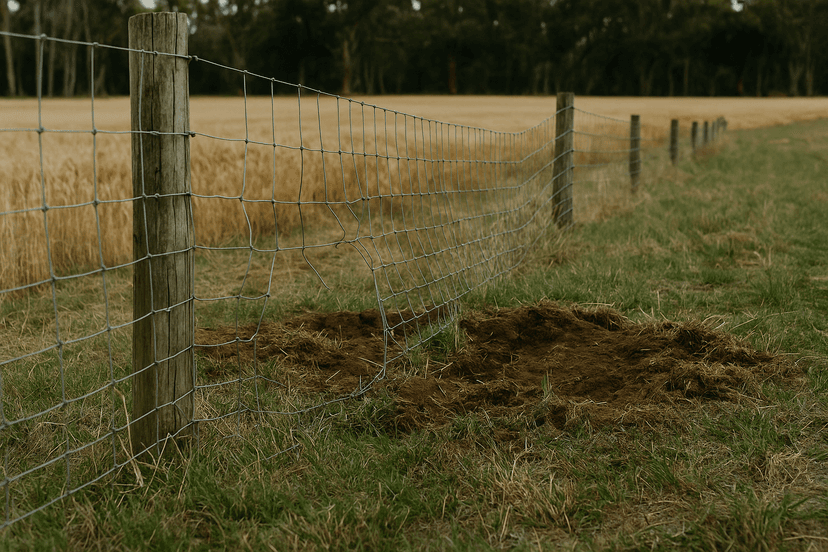
regions
The motherlode for WA bowhunters. Tens of thousands of feral pigs, breeding deer populations, and landowners who need help.
Read moreregions
The Peel region has significant feral pig and deer populations in the jarrah forests. Land access opportunities for bowhunters.
Read more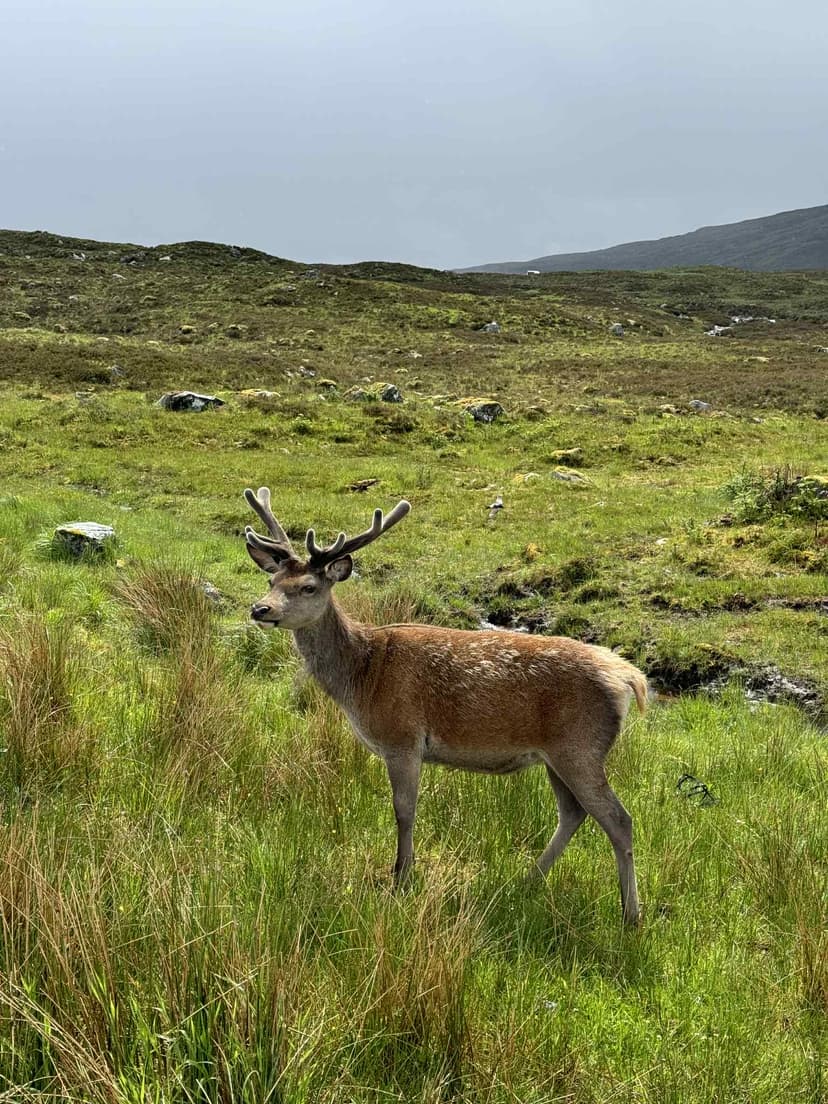
learn
All feral deer in WA are declared pests under the BAM Act. What that means legally, where they are, and how bowhunters can help.
Read moreguide
A practical field guide to finding private land access for bowhunting in Western Australia. Where to look, how to approach landowners, and how to keep access long-term.
Read more