The northern corridor runs from Chittering through Gingin, up to Dandaragan and across to Moora. It’s the agricultural fringe north of Perth — a mix of hobby farms, market gardens, citrus orchards, horse studs and broadacre grazing. An hour from the city and you’re into it. For hunters who want to get out on a weeknight after work, or do a quick day trip on the weekend, this is your corridor.
The country is flatter than the Perth Hills and more open than the Darling Scarp. Banksia woodland, tuart forest patches, sandy soils and cleared paddocks. It’s not dramatic terrain, but it holds good numbers of rabbits and foxes, and the landowners here are generally keen for help. Some of these properties haven’t had a hunter on them in years, so the access potential is real.
What Pests Are Out Here?
Rabbits
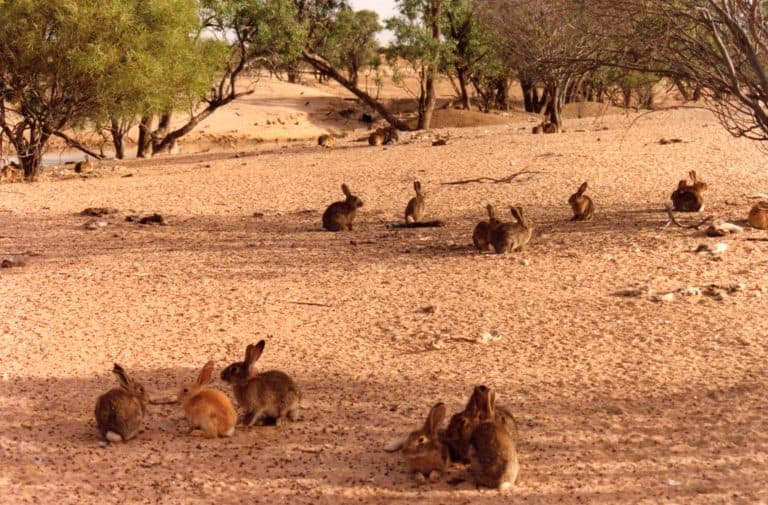
Rabbits are the number one pest in the northern corridor. Sandy soils mean easy burrowing, and every second property has warrens. Market gardeners, orchardists and horse studs all cop significant damage. Rabbits eat young plantings, undermine fences and turn paddocks into ankle-breaking minefields. They’re also the perfect starter species for newer bowhunters learning fieldcraft and shot placement.
Foxes
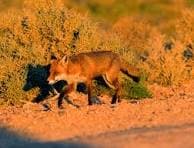
Foxes are common through the corridor, hitting poultry, lambs and native wildlife. The hobby farms with chooks and ducks are especially affected. Fox predation on the livestock properties further out towards Moora gets serious during lambing. Quiet fox control with a bow is perfect for the closer properties where neighbours are nearby.
Localised Pigs
There are localised pockets of feral pigs near watercourses and swampy coastal flats around Gingin. They’re not thick like the South West or Peel, but they pop up. If a landowner mentions pigs, take it seriously — they’re not imagining it. Those watercourse corridors hold more than people realise.
Finding Properties
Community Facebook groups are your go-to. Chittering Community Local Hub, Northern Valleys Classifieds, Gingin Community Noticeboard, Dandaragan & Districts. These groups are full of hobby farmers and small block owners posting about pest problems. Someone complaining about rabbits in the garden or a fox taking their ducks is your opening. The landowner access guide has the full playbook.
Market gardens and orchards are a great angle up here. These businesses lose real money to rabbits and they’re often keen for any help they can get. A friendly conversation at a roadside fruit stall can turn into a standing invitation. Be genuine, be helpful, and let the relationship build naturally.
Women hunters and couples do particularly well in the northern corridor. The property owners here tend to be families — often with kids and animals — and they respond well to hunters who come across as normal, approachable people rather than blokes in camo talking about killing things. The women in bowhunting page covers this dynamic well.
What Landowners Need
Most property owners in the northern corridor are lifestyle or hobby farmers. Like the Perth Hills, many of them haven’t had a hunter on their land before. They need reassurance that you’re safe, insured through your ABA membership, and not going to cause any grief. Keep the first conversation light and focused on their pest problem, not on your hunting. The land access guide covers how to build trust from the first message.
Some of these properties are small — five or ten acres. Don’t write them off. A morning spent pulling rabbits on a small block earns you a recommendation to the bloke next door with 200 acres and a serious fox problem. That’s how access grows. Check what landowners should expect so you’re on the same page.
Tips for the Northern Corridor
Terrain & Landscape
Flat to gently undulating country. Sandy soils dominate, with patches of banksia woodland, tuart forest and cleared pasture. The Gingin Brook and Moore River systems create green corridors through the landscape — these are the spots where pigs turn up and where fox and rabbit activity concentrates. The cleared farmland is open enough for glassing, while the bush patches and creek lines provide stalking cover.
Access roads are mostly good. Bitumen gets you to most properties and the farm tracks are sandy but generally passable in a standard ute. Winter can bog you on the clay patches, but nothing a sensible driver can’t handle. No need for a serious 4WD unless you’re heading into the back blocks around Dandaragan.
The northern corridor connects naturally to the Perth Hills to the south-east and the Wheatbelt further east. If you’re after bigger game, the South West is where the pigs and deer are. But for accessible, close-to-home hunting with genuine pest control outcomes, the northern corridor is sorted. Get into those community groups, start offering help, and read the getting started guide if you’re new to it all.