The Great Southern fringe — Williams, Narrogin, Wagin, Katanning and the surrounding districts — is proper farming country. Sheep, cattle, cropping. Families who’ve been on the land for generations. The community here is tight, people know each other, and they look after their own. For a bowhunter willing to invest the time in building genuine relationships, this region pays off in ways that go well beyond pest control.
It’s further from Perth than the Perth Hills or Darling Scarp — two to three hours for most of it — but the trade-off is less competition for access and more welcoming communities. The Wheatbelt runs along the northern edge of this region, and the two share a similar farming culture. If you’re already working properties in the Wheatbelt, expanding south into the Great Southern is a natural move.
What Pests Are Out Here?
Foxes
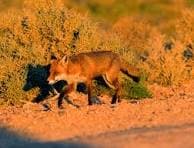
Foxes are the primary target in the Great Southern. Sheep farming dominates this region and fox predation during lambing costs farmers serious money every year. Community fox drives are common, and farmers actively coordinate control efforts. A bowhunter offering quiet, ongoing fox management during the lambing window is exactly what these blokes need. No gunshots stressing the ewes, no 1080 risk to working dogs — just clean, efficient control.
Rabbits
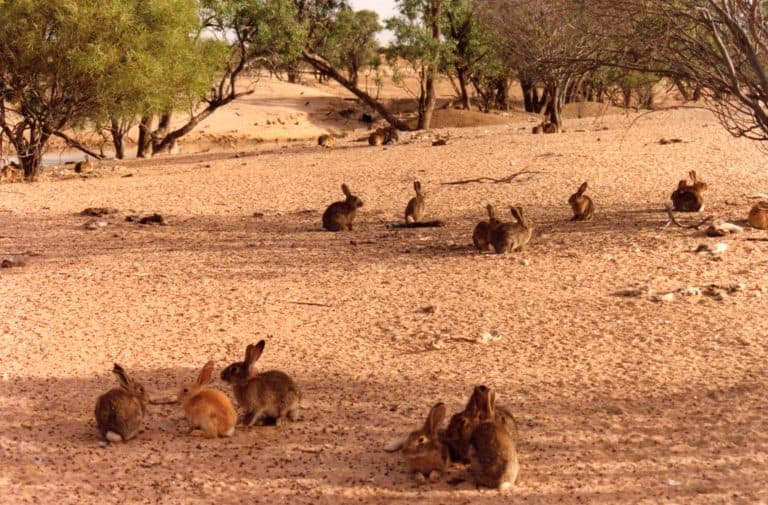
Rabbits are widespread across the Great Southern. They concentrate around bush remnants, rocky outcrops and old infrastructure. Crop damage and pasture competition add up. Rabbit control is a good way to get your foot in the door with a farmer — low stakes, visible results, and it shows you’re competent and trustworthy.
Feral Goats
On the eastern edges of the Great Southern where farming country meets the rangeland, feral goats become a factor. They damage native bushland, compete with sheep for feed and break fences. Numbers aren’t huge in the core Great Southern, but they build as you push east and south into the drier country. Worth asking about if you’re working properties on the fringe.
Finding Properties
The Great Southern operates on reputation. Facebook groups — Narrogin Community, Williams & Districts, Katanning Noticeboard, Wagin Buy/Sell — are useful for seeing who’s talking about pest problems. But the real connections happen in person. Agricultural shows, field days, the local pub on a Friday afternoon. The landowner access guide covers the online approach, but down here, face-to-face carries more weight.
Stock feed stores and rural supply shops are your intel hubs. Have a genuine conversation. Buy something. Ask about pest pressure in the area. These blokes talk to every farmer in the district and they’ll point you in the right direction if you come across as decent. Don’t be pushy. Country people can smell someone who’s only in it for themselves.
Farming families in the Great Southern often include women who are deeply involved in property management and decision-making. The partner who runs the books, manages the livestock or handles the community side of things is often the person who decides whether you get access. The women in bowhunting page talks about the growing number of women in WA bowhunting — if you or your partner hunts, make that part of the conversation. It builds trust fast.
Word of mouth is everything here. One solid relationship in Williams can cascade into access across half a dozen properties within a year. Do the right thing on the first property, and the farmer will introduce you around. That’s how networks grow in country towns.
What Landowners Need
Great Southern farmers are straightforward. They want someone who shows up when they say they will, follows the rules, reports back, and doesn’t make their life harder. Many of them have had bad experiences with shooters — gates left open, stock disturbed, blokes who promised to come back and never did. Be the opposite of all that.
Your ABA membership and public liability insurance are important here. These are working farms with valuable livestock. Mention your insurance in the first conversation. It shifts you from “random bloke” to “someone who takes this seriously.” The what to expect page is worth sharing with any landowner who’s on the fence.
The bowhunting vs baiting comparison is useful for Great Southern conversations. A lot of these farmers use 1080, but they’re not entirely happy with it — risk to working dogs, residual concerns, and it doesn’t deal with individual problem animals. A bowhunter who can target specific foxes near the lambing paddock fills a gap that baiting can’t. The land access guide covers the trust-building process in detail.
Tips for the Great Southern
Terrain & Landscape
Rolling pastoral country. Sheep and cattle paddocks broken up by bush remnants of wandoo, jam and York gum. Creek lines wind through the landscape, often lined with thicker vegetation that provides movement corridors for ferals. Granite outcrops are scattered through the country — good cover for stalking and favourite spots for rabbits. The further east you go, the drier and more open it gets, with salt lakes and scrubland replacing the greener pasture.
Access roads are generally good. Farm tracks are well maintained on the working properties, and a standard ute will get you everywhere you need. The distances between properties can be significant though — plan your fuel and water accordingly. Mobile reception is reliable in the towns but drops out on the back blocks.
The Great Southern connects to the Wheatbelt to the north and the South West to the west. If you reckon foxes and rabbits are your game, this region and the Wheatbelt are where you want to be. If pigs and deer call to you, the South West is where it’s at. Either way, read the getting started guide and the ethics page before you head out. Doing it right is what keeps access open for everyone.