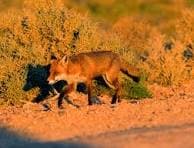
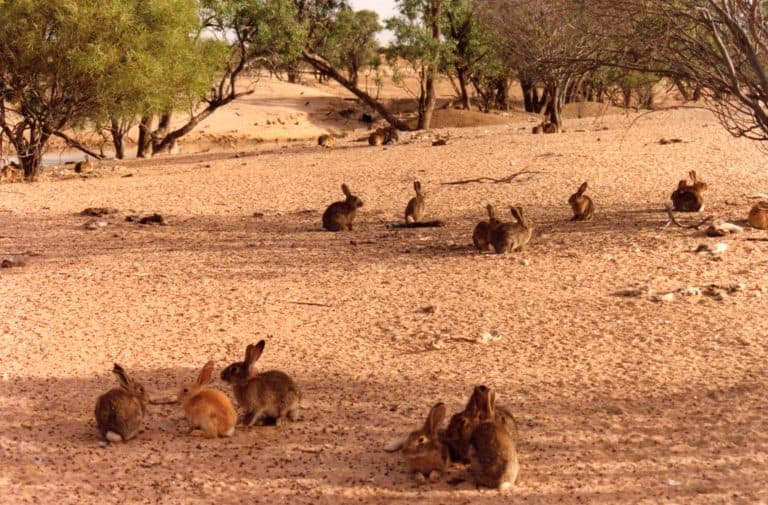
The Wheatbelt stretches from York and Northam in the west out through Merredin and beyond. It’s flat to gently rolling cropping and livestock country — massive paddocks, scattered bush remnants, salt lakes and granite outcrops. This isn’t pig and deer territory like the South West. Out here, it’s all about foxes and rabbits. And mate, there are plenty of both.
Every broadacre farmer in the Wheatbelt deals with foxes. During lambing season, the losses are staggering — the fox predation page covers the numbers. Rabbits chew through crops, undermine infrastructure and compete with livestock for feed. These aren’t minor annoyances — they’re genuine economic problems that farmers spend real money trying to fix. Community fox shoots are a way of life out here, and bowhunters who can offer quiet, ongoing control are a welcome addition.
What Pests Are Out Here?
Foxes
Foxes are the number one target in the Wheatbelt. Lambing season — roughly May through August — is when farmers need help most. Foxes take newborn lambs, stress ewes, and the financial hit adds up fast. A quiet bowhunter who can work the dawn and dusk shifts on a lambing paddock is worth their weight in gold to a Wheatbelt farmer. The open country means long sight lines, so camo discipline and patience matter.
Rabbits
Rabbits are everywhere. Around granite outcrops, under old sheds, along fence lines, in bush remnants. They’re one of WA’s most widespread pests and the Wheatbelt cops it hard. Great practice for newer bowhunters building fieldcraft skills, and farmers are always happy to see them knocked back.
Goats & Others
On the eastern fringe where the Wheatbelt meets rangeland, feral goats start appearing. They’re not the main game here, but if you’re working a property that borders the pastoral zone, ask the farmer about goat numbers. Feral cats also cause damage to native wildlife through the bush remnants, though they’re harder to target.
Finding Properties
Wheatbelt farmers are generally more approachable about pest control than landowners in other regions, because they’ve been doing community shoots for decades. The culture of helping each other deal with ferals already exists. You’re fitting into that culture, not creating something new.
Facebook groups to join: Wheatbelt WA Farming Non Wowsers Buy & Sell, York Community Noticeboard, Northam & Districts, Merredin Community, Narrogin Community. The landowner access guide has the full method, but out here you can often be more direct. A simple post offering free fox control during lambing will get responses.
Local agricultural shows and field days are brilliant for meeting farmers. Turn up, have a yarn, mention what you do. Country blokes respect someone who fronts up in person. The local stock feed store, the pub, the roadhouse — these are all places where you can make connections naturally. Women hunters fit right into this community too — the women in bowhunting page has stories from people doing exactly this.
Community fox shoots are common. Get involved. Even if you’re there with a bow while everyone else has rifles, you’ll meet the right people. One good day helping with a fox drive can lead to a standing invitation on someone’s property.
What Landowners Need
Wheatbelt farmers are practical people. They want results, they want reliability, and they want someone who won’t make their life harder. Many of these properties are thousands of acres — they can’t be everywhere at once. An extra pair of eyes checking fence lines, reporting pest activity and picking off foxes near the lambing paddock is genuinely valuable to them.
Your ABA membership and insurance are important here. Broadacre farms run expensive livestock and machinery. The farmer needs to know you’re covered. Mention it early, and read the ethics page so you’re across the basics before your first trip.
The quiet nature of bowhunting is a genuine advantage in the Wheatbelt. During lambing, gunshots stress ewes. A bow doesn’t. That’s a selling point you should mention in your first conversation. Check the bowhunting vs baiting comparison — it’s useful ammunition when farmers are weighing their options.
Tips for the Wheatbelt
Terrain & Landscape
Flat to gently rolling cropping and grazing land. Massive paddocks separated by fence lines and scattered bush remnants. Granite outcrops break up the landscape and provide natural cover for stalking. Salt lakes dot the eastern areas. The bush remnants — patches of wandoo, York gum and jam — are where the ferals den up during the day. Creek lines, even dry ones, create movement corridors.
Access is generally straightforward. Most farm tracks are well maintained and a standard 4WD or even a decent ute will get you everywhere you need to go. The distances are big though — properties can be massive and you’ll cover a lot of ground on foot if you’re working fence lines. Good boots, a decent hat and plenty of water.
The Wheatbelt connects to the Great Southern further south and the Perth Hills to the west. If you’re after bigger game, the South West has pigs and deer in serious numbers. But for solid fox and rabbit work on proper farming country, the Wheatbelt is hard to beat.