The Peel region covers the Serpentine-Jarrahdale corridor, through Pinjarra, down to Waroona and touching the northern edge of Harvey. It’s where the jarrah forest meets farmland, and that boundary is exactly where the ferals thrive. Pigs breed in the thick bush and raid the farms at night. Deer move through the same corridors. For WA bowhunters, this is seriously productive country that doesn’t require a massive drive.
A lot of the properties here are rural lifestyle blocks — 20 to 200 acres, running a few cattle or horses, with jarrah forest butting right up against the back fence. The owners didn’t buy into the country life expecting to deal with pigs ripping up their pasture every other week. They need help, and they need it to be quiet, professional and hassle-free. That’s us.
What’s Out Here?
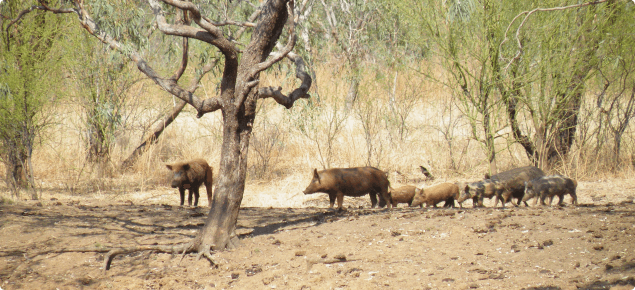
Feral Pigs
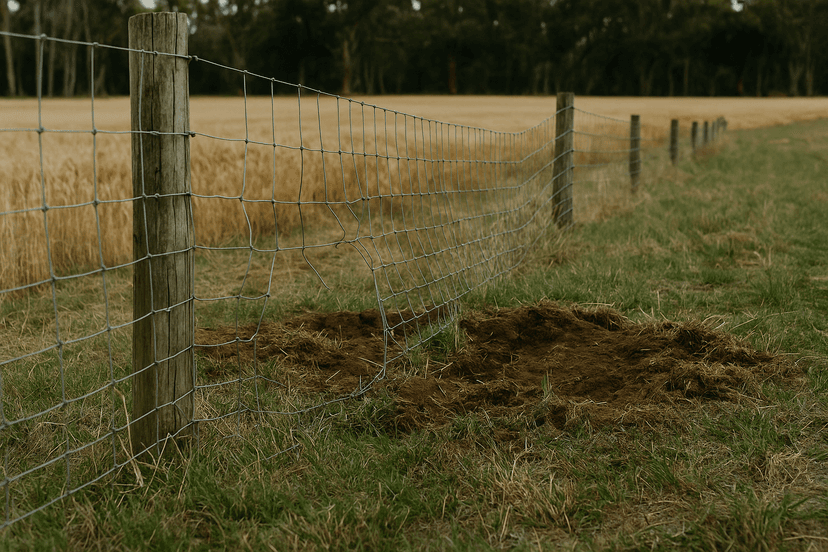
Feral pigs are the main game in the Peel. Significant populations live in the jarrah forests and move onto private land to feed. They tear up pasture, destroy fencing, foul water sources and dig up dams. Landowners along the forest edge cop it worst. The pig damage page shows exactly what these animals do to a farm. Peel properties often share a boundary with state forest, so pig pressure is constant — you knock them back, more move in. That means ongoing access for hunters who prove they’re reliable.
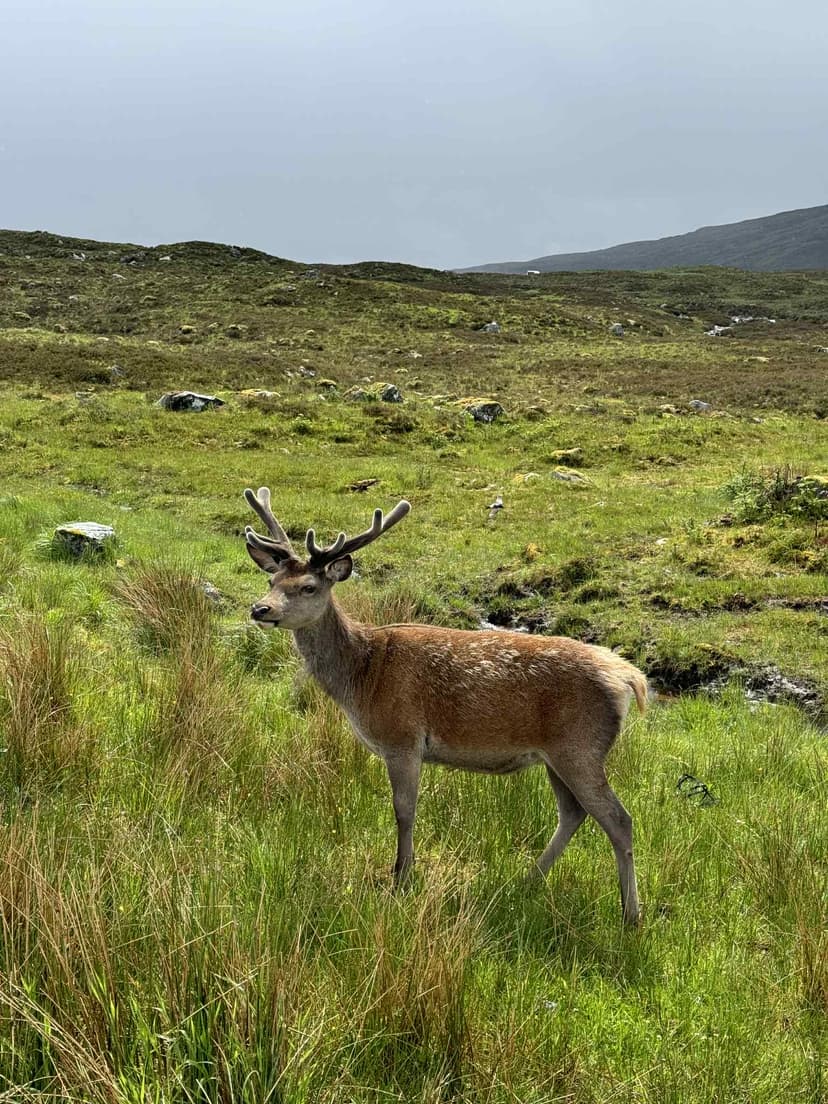
Feral Deer
Feral deer — mainly fallow and some rusa — are confirmed through the Peel corridor. They damage fencing, eat crops and compete with livestock. All feral deer in WA are declared pests, so landowners have a legal obligation to manage them. Deer access is gold — treat it accordingly and never share exact locations.
Foxes & Rabbits
Foxes work the farmland edges, especially around poultry runs and during lambing. Rabbits are thick on the cleared country. Both are good reasons to make first contact with a landowner, even if pigs are your real interest. Offer to deal with the small stuff first — it builds trust fast.
Finding Properties
The Peel Community & Buy/Swap/Sell group on Facebook is a good starting point. Also check Serpentine-Jarrahdale Community, Pinjarra & Murray Noticeboard, and Waroona Community. The landowner access guide walks through the full approach — find people posting about pest damage, offer help, keep it casual.
Private forestry blocks are a real opportunity in the Peel. Some of the bigger timber companies lease blocks to farmers for grazing, and those farmers often have authority to approve pest control. Ask around at local stock feed stores and farm supply shops. The bloke behind the counter usually knows who’s battling pigs.
Couples and women hunters do especially well approaching lifestyle property owners in the Peel. A lot of these owners are families who moved out of the city for a tree change. Having a woman in the conversation — whether she’s the hunter or part of a team — breaks down barriers immediately. The women in bowhunting page has more on this.
What Landowners Need
Peel landowners want reliability above everything. They’ve often had shooters come through once and never come back, or had blokes promise the world and deliver nothing. Show up when you say you will. Report back after every session. Follow the property rules to the letter. Check the ethics page and live by it.
Many of these properties border state forest, which means pigs are a rolling problem. That works in your favour — landowners need ongoing control, not a one-off visit. Position yourself as the person who’ll keep coming back, and you’ll have access for years. Make sure you hold a current ABA membership for insurance and mention it upfront.
Tips for the Peel
Terrain & Landscape
Thick jarrah and marri forest on the scarp, opening to cleared pasture and horse paddocks on the coastal plain. The transition zone is where the action is. Creek lines cut through the forest and pigs use them as highways. The undergrowth can be dense — bring gaiters and expect to crawl through some scrub. Once you get to the farm edges, it opens up and you can glass from elevated positions.
Access roads vary. Some properties have well-maintained tracks; others are rutted forest trails that need a 4WD in winter. Carry recovery gear if you’re heading deep. Mobile reception is patchy in the forest — let someone know your plans and carry a PLB if you’re hunting solo. Check the Darling Scarp page for the neighbouring corridor, and have a look at the South West if you reckon you’re ready for the big leagues.