Feral Deer as Declared Pests in WA
All species of feral deer in Western Australia are declared pests under the BAM Act 2007. That’s not a grey area. Fallow, rusa, red, sambar — all declared. Landowners have obligations. Bowhunters can help.
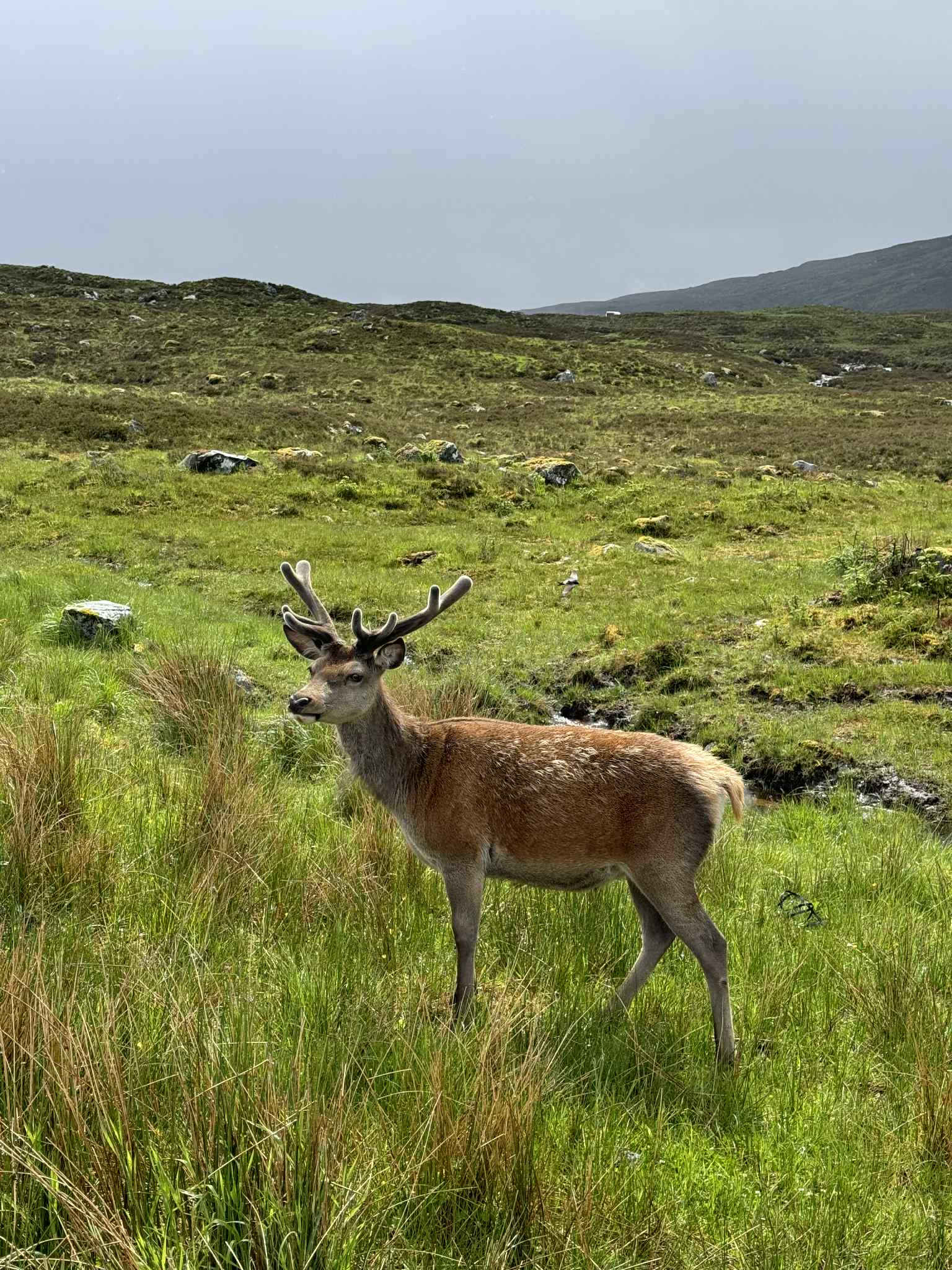
Feral deer in WA bushland. Populations are growing and spreading.
Declared pest status — what it means
Under the Biosecurity and Agriculture Management Act 2007 (BAM Act), all species of feral deer in WA are declared pests. This is significant. It means landowners have a legal obligation to manage deer on their property. DPIRD can issue directions requiring control measures if a landowner isn’t managing them.
For bowhunters, this declaration is important for two reasons. First, it gives legal backing to deer control on private land — you’re helping a landowner meet their legal obligations, not just hunting for sport. Second, it means deer can be taken year-round on private land with landowner permission. No closed season. No tag system. Just pest control, done right. You set the rules. We make sure they’re followed.
Which deer are in WA?
WA has established populations of several feral deer species. Unlike the eastern states where deer have been present for over a century, WA’s populations are newer and still expanding — which is exactly why control matters now.
Fallow Deer
The most widespread feral deer species in WA. Originally from Mediterranean Europe, fallow deer have established breeding populations in the South West, particularly in forested areas around Nannup, Manjimup, and the Blackwood Valley. They browse on native vegetation, compete with livestock for pasture, and damage fences. Recognisable by their spotted coat (in summer) and palmate antlers on bucks.
Rusa Deer
Rusa deer are present in smaller numbers but expanding. Originally from Southeast Asia, they're larger than fallow and tend toward wetter habitats. Populations have been reported in the Peel and South West regions. They're particularly damaging to creek-side vegetation and can cause significant browse damage to regenerating forest.
Red Deer
Red deer — the largest of WA's feral deer — have established pockets, particularly in the South West forest. Originally from Europe, they're big animals (stags can weigh 200kg+) and capable of serious fence and crop damage. They browse heavily on young trees and pasture, and their wallows can damage waterways.
Sambar Deer
Sambar are present in WA in small but growing numbers. They're large, secretive, and tend toward dense forest and riparian areas. While populations are smaller than in Victoria and NSW, any established sambar population is a concern because they're extremely difficult to control once entrenched.
The damage they cause
Browse damage
Deer browse on native vegetation, pasture, and crops. They strip bark from young trees, eat regenerating forest understorey, and can decimate orchards and vineyards. In the South West, where jarrah and karri forest regeneration programs are ongoing, deer browsing is a direct threat to native forest recovery. Farmers running tree plantations or horticulture are particularly affected.
Vehicle collisions
As deer populations grow and spread closer to roads and semi-rural areas, vehicle collisions are increasing. A fallow deer weighs 50-80kg. A red deer stag can be over 200kg. Hitting one at highway speed is a serious safety risk. The eastern states are already dealing with this — Victoria records hundreds of deer-vehicle collisions annually. WA’s growing populations mean this is heading our way if numbers aren’t managed.
Fence damage
Deer jump fences. When they misjudge, they take wire with them. Stags during the rut will push through fences or get tangled in them. The repair costs add up. Standard agricultural fencing is not designed to contain deer — they can clear a 1.2-metre fence with ease. For farmers already dealing with pig damage to fences, deer on top of that is another headache entirely.
Competition with livestock
Deer compete directly with cattle and sheep for pasture. A mob of 20 fallow deer grazing a paddock is equivalent to several extra head of cattle that the farmer isn’t getting paid for. In drier months when feed is already tight, that competition matters. Deer also contaminate stock water and can spread diseases like Johne’s disease to cattle.
Where they are in WA
The South West forest region has the largest and most established populations. Fallow deer are well established around Nannup, Manjimup, Balingup, and the Blackwood Valley. The Peel region and Darling Scarp corridor also have populations, particularly around Waroona and Dwellingup. Reports are coming in from further afield each year — deer are spreading, and without active management, the problem will only get worse.
DPIRD monitors feral deer distribution and encourages landowners to report sightings. Trail cameras on farm properties frequently capture deer that the landowner didn’t even know were there. That’s part of the challenge — deer are secretive and mostly nocturnal or crepuscular. By the time you see them regularly, you’ve already got a breeding population.
Landowner obligations
Because feral deer are declared pests, landowners in WA have a legal responsibility to control them on their property. This doesn’t mean every farmer needs to eradicate every deer — but they do need to take reasonable steps to manage them. Ignoring the problem isn’t an option under the BAM Act.
This is exactly the conversation bowhunters should be having with landowners. “You’ve got an obligation to manage these animals. I can help, at no cost, with insurance and proper ethics.” It’s a partnership, not a favour. Read our land access guide and the full Landowner Access Guide for how to frame these conversations.
How bowhunters help
Bowhunting is particularly well-suited to deer control. Deer are a stalking animal — they require patience, field craft, and close-range engagement. A bowhunter who knows the property and the deer’s patterns can be very effective. And because a bow is silent, it doesn’t disturb livestock, neighbours, or other wildlife on the property.
For the technical side — shot placement, gear, and strategies for hunting feral deer in WA — check out our dedicated deer hunting page. Make sure your ABA membership is current and you understand the ethical standards we hold ourselves to. Deer deserve a clean, quick harvest just like any other animal.
For landowners
Got deer on your property? You’ve got a legal obligation to manage them and we’ve got people who can help. Drawn Bush connects WA landowners with vetted, insured bowhunters for free deer control. Check out the landowner hub or register your property.
Got a feral problem on your property?
We connect WA landowners with vetted, ethical bowhunters for free pest control. You set the rules. We make sure they’re followed.
Keep reading
hunting
Feral Deer Hunting in Western Australia
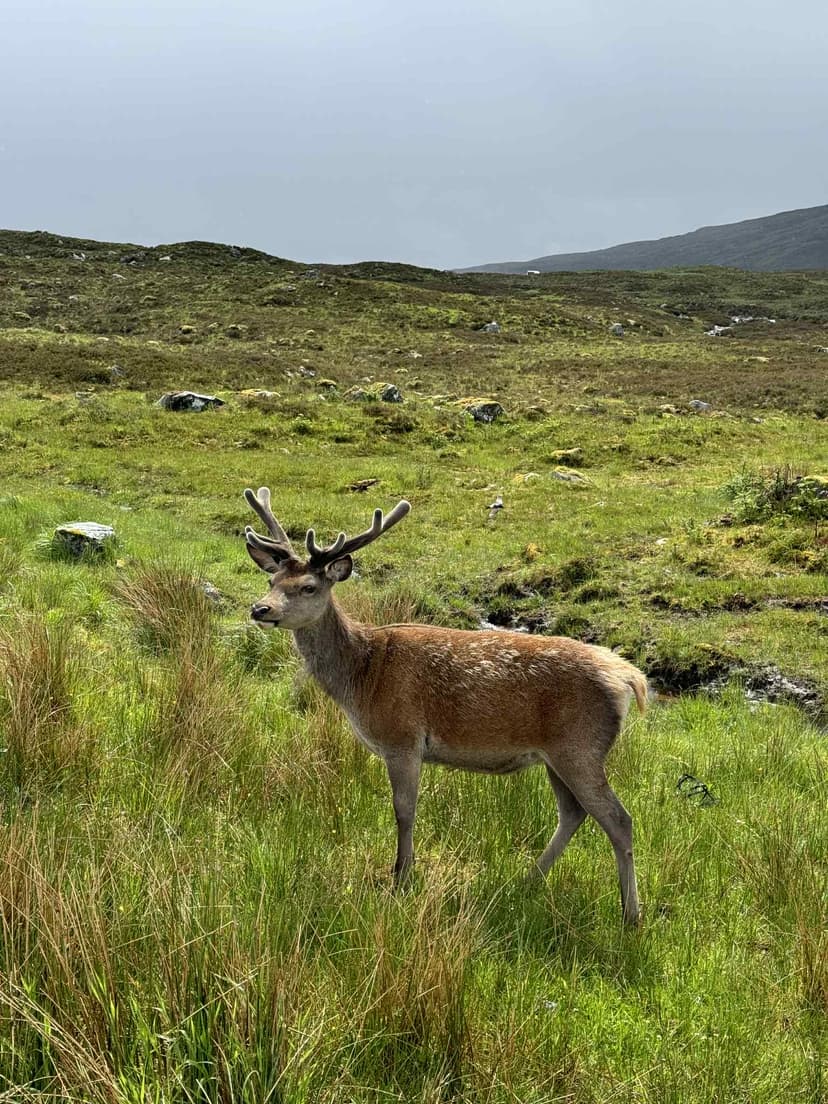
Feral deer are declared pests in WA. Where to find fallow, rusa and red deer populations, and how bowhunters can help landowners manage them.
Read more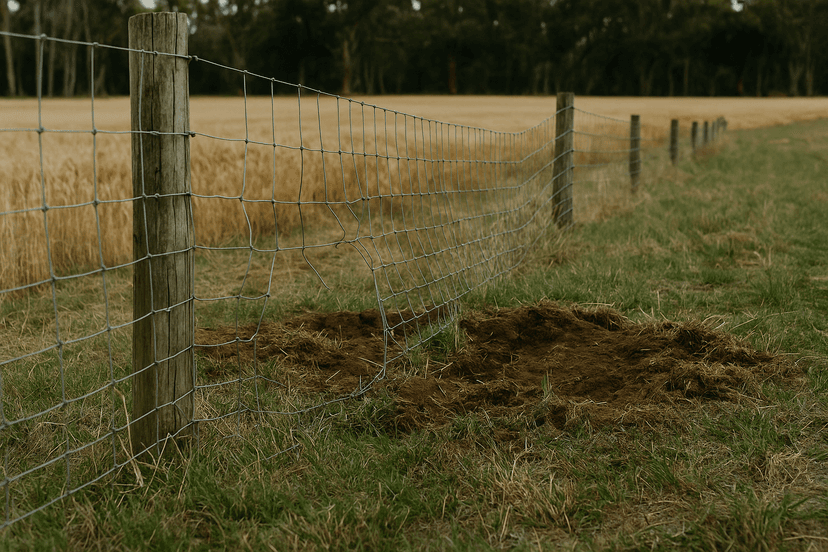
regions
Bowhunting the South West Forest & Blackwood Valley
The motherlode for WA bowhunters. Tens of thousands of feral pigs, breeding deer populations, and landowners who need help.
Read morelearn
Is Bowhunting Legal in Western Australia?
Yes, bowhunting is legal on private land in WA. No licence needed for the bow. Here’s the full rundown on what you can and can’t do.
Read morelandowners
Free Pest Control for WA Landowners
Dealing with feral pigs, foxes, deer or rabbits on your property? We connect WA landowners with vetted, ethical bowhunters for free pest control.
Read more