Feral Pig Damage to WA Farms
Feral pigs are tearing up properties across the southwest and beyond. Millions of dollars in damage every year. Farmers are copping it, and most of them can’t keep on top of it alone.
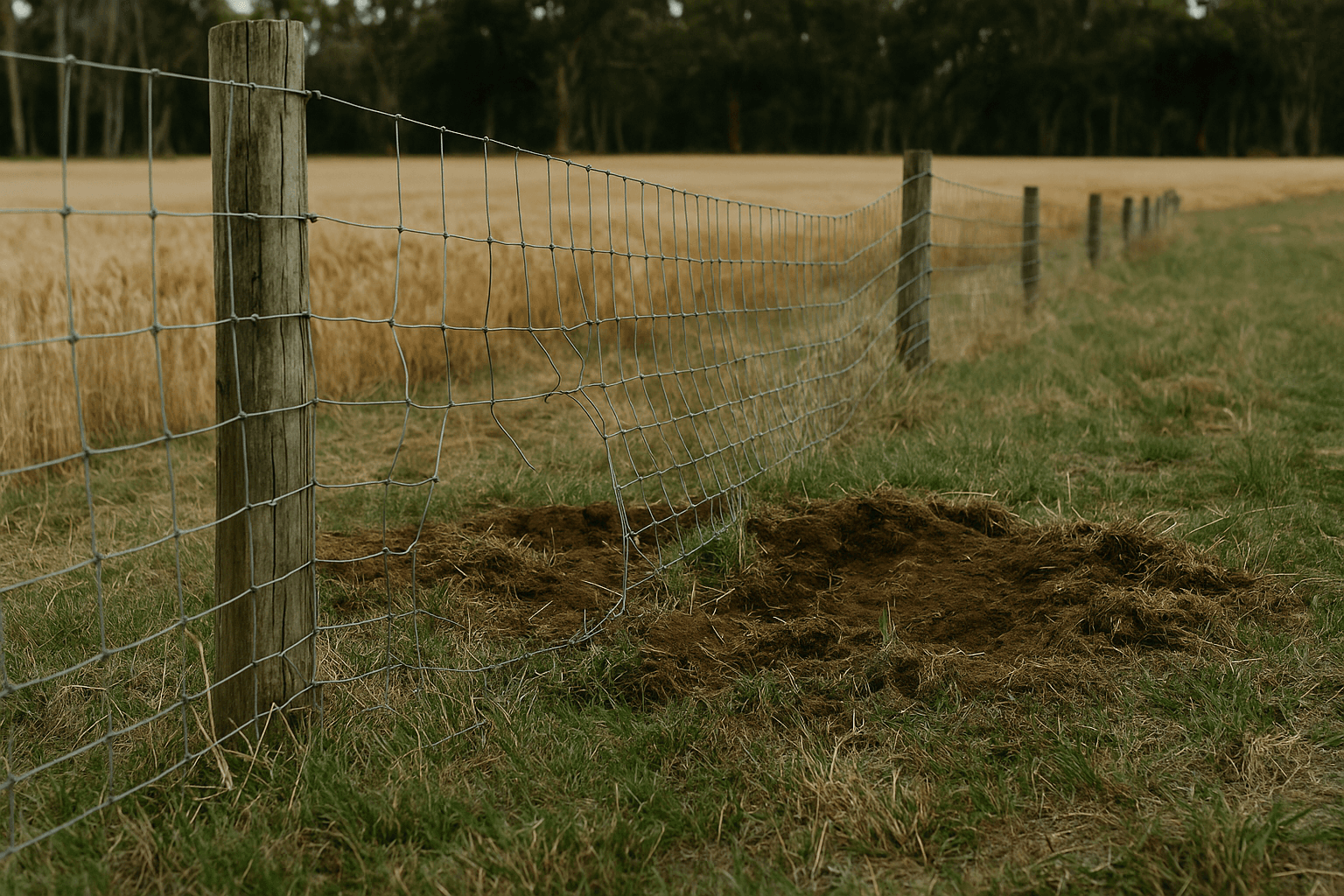
Pig damage along a fence line in the southwest. This is what farmers are dealing with.
The scale of the problem
Feral pigs cause an estimated $100 million or more in agricultural damage across Australia each year, according to ABARES (Australian Bureau of Agricultural and Resource Economics and Sciences). In Western Australia, the impact is concentrated in the South West and Peel regions, where dense jarrah and karri forests provide cover and water is plentiful. Populations are expanding. The pigs breed fast — a sow can produce two litters a year with 6-10 piglets each. Do the maths. It’s not slowing down.
DPIRD (Department of Primary Industries and Regional Development) has identified feral pigs as a priority declared pest under the BAM Act 2007. Landowners have a legal obligation to manage them on their properties. But the reality is that many farmers are time-poor, cash-strapped, and dealing with a pest that multiplies faster than any single control method can handle. That’s where bowhunters come in. You set the rules. We make sure they’re followed.
What the damage looks like
Crop and pasture destruction
Pigs root up pasture and crops looking for tubers, grubs, and anything else they can eat. A mob of 20 pigs can destroy a hectare of pasture in a single night. They target newly sown paddocks, potato crops, grain fields, and orchards. The rooting turns productive land into a churned-up mess that takes months to recover. Farmers in the Harvey, Collie, and Nannup districts report losing entire paddocks to pig rooting in a single week during wet periods.
Fence destruction
Pigs go through fences like they’re not there. They push under, push through, and dig alongside fence lines looking for food. Repairing fences is expensive and time-consuming. Every time a pig breaks a fence, stock can escape, neighbours get annoyed, and the farmer has another job on the list. Fencing costs run $5-15 per metre — multiply that across the kilometres of boundary fencing on a typical southwest property and you get the picture.
Water contamination
Pigs wallow in dams, creeks, and troughs. They contaminate water sources with faeces, urine, and soil. This affects stock water quality and can cause downstream issues for neighbouring properties and waterways. In the South West, pigs wallowing in headwater catchments are a genuine concern for water quality. Troughs and dams need regular cleaning when pigs are active, adding another cost to the farming operation.
Disease vectors
Feral pigs carry and spread diseases that affect livestock and occasionally humans. Leptospirosis is a real concern — it can pass from pigs to cattle, dogs, and people through contaminated water. Pigs also carry parasites and can transmit diseases like brucellosis and tuberculosis. For farmers running cattle, the disease risk alone is reason enough to want pigs off the property. The biosecurity implications are serious and it’s one of the reasons DPIRD takes feral pig management seriously.
Where it’s worst in WA
The South West forest region is ground zero. From Harvey down through Collie, Nannup, Manjimup, and into the Blackwood Valley — this is where pig numbers are highest and the damage is most severe. The mix of dense forest cover, reliable water, and productive farmland on the forest fringe creates perfect conditions for pigs.
The Peel region is also heavily affected, particularly around Waroona, Dwellingup, and the Darling Scarp corridor. Pigs are pushing further north too — reports from Perth Hills and even the Darling Scarp properties closer to the metro area are becoming more common each year.
What’s being done about it
DPIRD runs coordinated control programs including trapping and baiting. Recognised Biosecurity Groups (RBGs) in the southwest coordinate landowner efforts. But pigs are smart, mobile, and breed fast. Government programs help but they can’t be everywhere. Private landowners need ongoing, localised control — and that’s exactly what ethical bowhunters provide.
Bowhunting is quiet, targeted, and free. It doesn’t require poison (which can harm farm dogs and native wildlife). It doesn’t need expensive helicopter operations. It’s a bloke or woman with a bow who knows the country, knows where the pigs are moving, and can take them out cleanly. Check out our pages on pig hunting in WA and bowhunting versus baiting for more detail.
For landowners
If you’re a farmer dealing with pig damage, Drawn Bush connects you with vetted, insured bowhunters for free pest control. No cost, no obligation. Just experienced hunters who follow your rules. Check out the landowner hub or register your property.
Got a feral problem on your property?
We connect WA landowners with vetted, ethical bowhunters for free pest control. You set the rules. We make sure they’re followed.
Keep reading
hunting
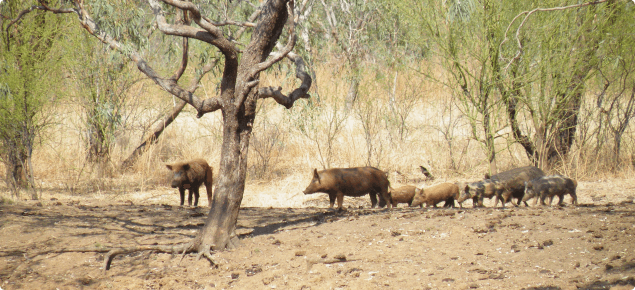
Feral Pig Hunting in Western Australia
Everything WA bowhunters need to know about feral pig hunting. Where they are, how to find them, and how to get landowner access for pig control.
Read more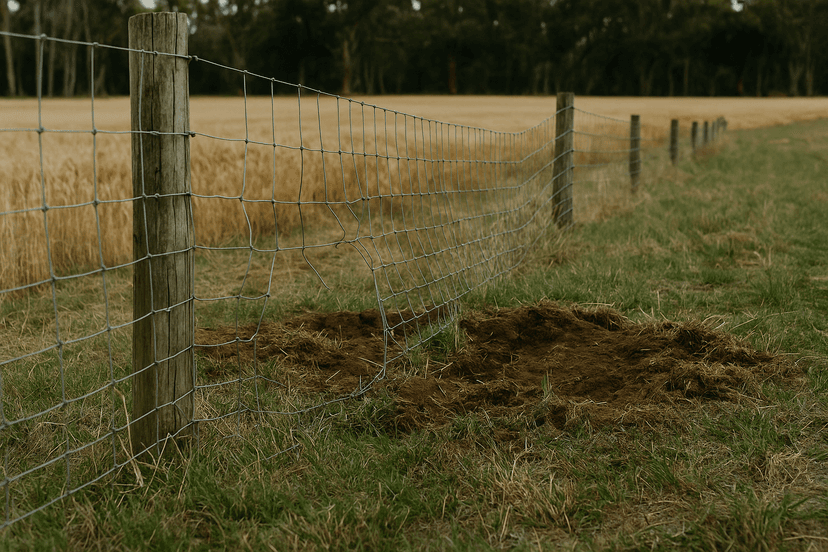
regions
Bowhunting the South West Forest & Blackwood Valley
The motherlode for WA bowhunters. Tens of thousands of feral pigs, breeding deer populations, and landowners who need help.
Read morelandowners
Free Pest Control for WA Landowners
Dealing with feral pigs, foxes, deer or rabbits on your property? We connect WA landowners with vetted, ethical bowhunters for free pest control.
Read morelandowners
Why Bowhunters Are the Best Pest Controllers You Never Knew About
Quiet, effective, free. How bowhunters are helping WA farmers manage feral pigs, foxes, deer and rabbits without the cost or hassle.
Read more